Blog
5 Signs Your Boiler Needs Replacing — When to Repair or Upgrade
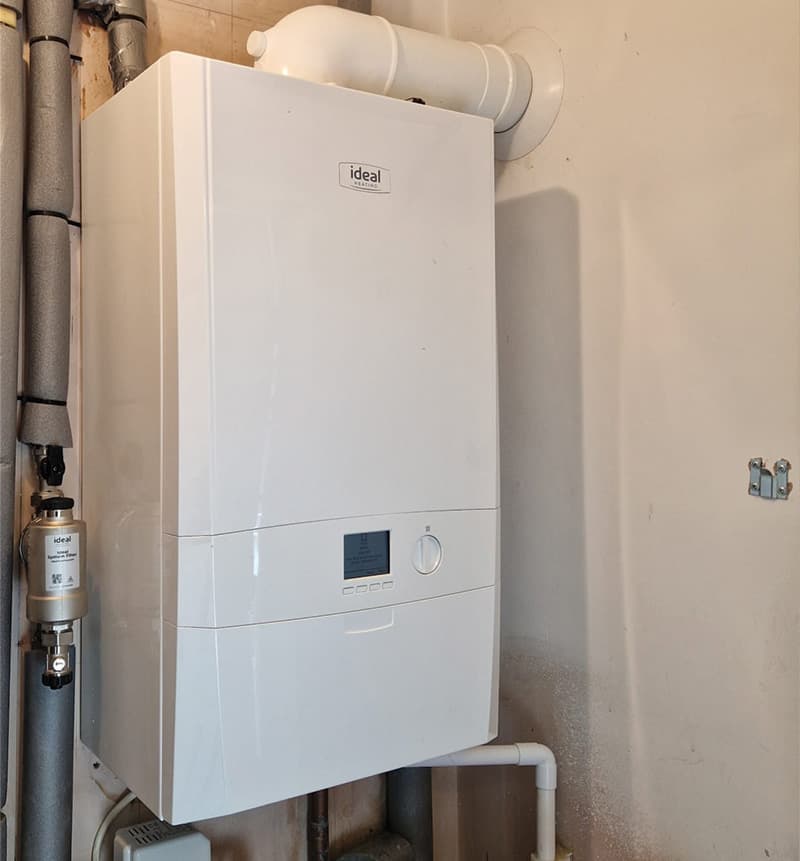
5 signs your boiler needs replacing — how to tell when repair isn't enough
Is your boiler struggling to keep your home warm or costing more to run than it used to? Knowing the early warning signs that your boiler needs replacing can prevent emergency breakdowns and help you decide whether repair or replacement offers better long‑term value. Below are five clear indicators to watch for, plus practical next steps to get an expert assessment.
Understanding typical boiler lifespan
With regular servicing, a domestic boiler commonly lasts around 10–15 years. However, age alone isn't the only factor. Older boilers are generally less efficient, more prone to faults and may use outdated technology that is costly to run and difficult to repair. If your boiler is over eight years old, arrange a professional assessment so you can plan for replacement before a failure leaves you without heating.
1. The boiler is over 10–15 years old
Boilers approaching or beyond 10 years are often running on borrowed time. Models manufactured before the mid‑2000s lack the efficiency of modern condensing appliances and will typically increase your fuel consumption. Upgrading to a modern condensing boiler can make a marked difference to performance and running costs, and it can reduce the likelihood of frequent call‑outs.
2. Frequent breakdowns and rising repair costs
If you find yourself needing engineer visits several times a year, replacement may be more economical. A useful rule of thumb is that if annual repair bills or a single repair approach around half the cost of a new boiler, upgrading usually makes better long‑term sense. Older systems also suffer from parts scarcity — components for legacy models can be hard to source and expensive when available.
3. Energy bills keep rising despite similar usage
An ageing boiler loses efficiency as components wear and scale builds up. Modern condensing boilers can achieve efficiencies around 90%, whereas older non‑condensing units typically operate at 75–85%. That efficiency gap often translates into noticeably higher energy bills. When an older boiler is driving up household running costs, replacing it with a high‑efficiency unit often repays the investment over time through lower fuel bills and improved heating performance.
4. Unusual noises or visible leaks
Banging, whistling, grinding or persistent kettling noises point to internal problems such as scale or sludge build‑up and failing components. Visible leaks around the appliance are a serious concern — even a small leak can quickly escalate into a larger fault that damages surrounding fabric and requires emergency attention. These symptoms frequently indicate the system is nearing the end of its useful life rather than offering a straightforward, long‑lasting repair.
For guidance on noisy boilers and what the sounds mean, see our article on boiler making banging noise? Common causes and next steps.
5. Visible rust or corrosion
Rust, discolouration or corrosion on the casing suggests the appliance is deteriorating. External rust often indicates internal corrosion too, which undermines the boiler's structural integrity and safety. Once corrosion appears, replacement is generally the safest and most reliable option rather than continued repairs.
Weighing up repair versus replacement
Replacing a boiler is a significant decision. Consider these factors when choosing between repair and replacement:
- Age of the boiler and frequency of recent breakdowns.
- Repair history and the availability of spare parts for your model.
- Relative efficiency of your current boiler compared with new condensing models.
- Manufacturer warranty on a new unit (commonly five to ten years) and potential reliability gains.
- Availability of finance options to spread the cost, which can make replacement more manageable.
Practical next steps
If you recognise any of the five signs above, book a professional assessment. An experienced engineer can advise whether a repair will deliver reliable service or whether replacement is a better long‑term investment. We offer tailored advice, finance options such as Kanda Finance, and manufacturer‑backed installations with warranties to protect your investment.
To arrange an inspection or get a no‑obligation recommendation, book a boiler service or contact us directly for a personalised quote. If you prefer ongoing protection, ask about our boiler service plans to keep your system running efficiently year after year.
Not sure what to expect from an engineer's visit? Our boiler service checklist and related guides explain the checks and tests an engineer will carry out to assess condition and efficiency.
Other Articles

