Blog
Gas vs Oil Boilers: Which Heating System Is Best for Your Home
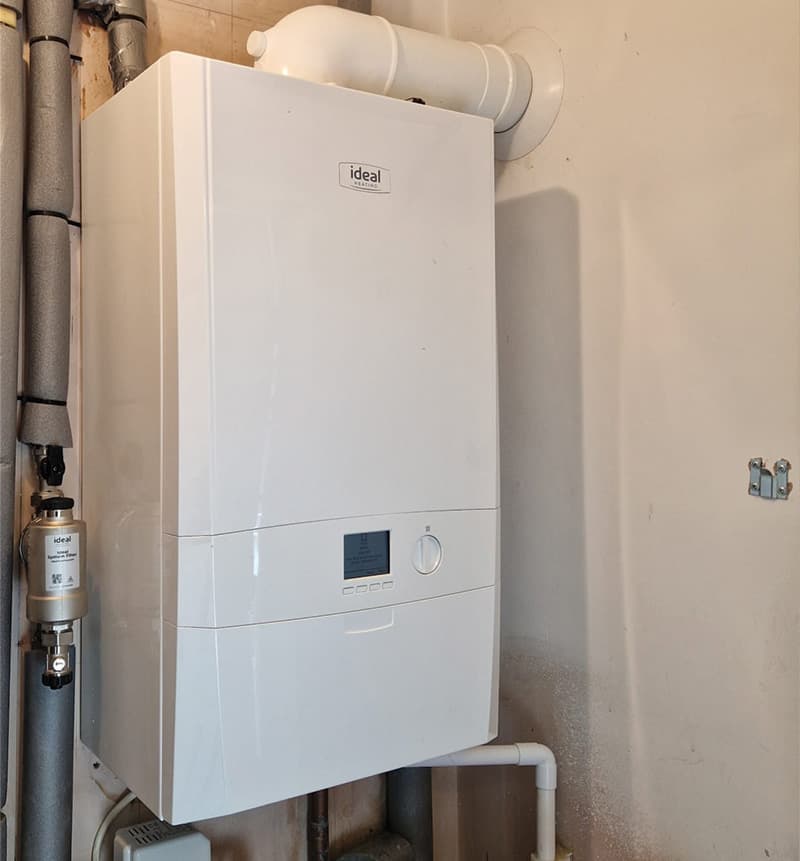
Gas vs oil boilers: choosing the right heating system for your home
Deciding between gas vs oil boilers is a key choice for homeowners, particularly in rural parts of Hampshire where mains connections vary. Both fuel types power modern, highly efficient systems, but they differ in how the fuel is supplied, where they work best, what maintenance they need and how they affect running costs and the environment. This guide explains those differences clearly so you can make an informed decision for your property.
How gas and oil boilers work — a quick overview
At a basic level, both gas and oil boilers burn a fossil fuel to heat water for central heating and hot water. Modern condensing boilers reclaim heat from flue gases to boost efficiency, and both gas and oil variants are available in condensing models. The main practical differences relate to fuel supply and installation: mains gas arrives through a piped connection, while heating oil must be stored on-site in a tank and replenished by delivery.
Gas boilers: convenience and widespread availability
- Supply and convenience: Where mains gas is available, supply is continuous and paid through your energy supplier — no storage tanks or scheduled deliveries are needed.
- Installation and space: Gas boilers are generally compact and relatively straightforward to fit in homes with an existing gas supply.
- Efficiency: Modern gas condensing boilers typically achieve very high efficiency ratings, meaning more fuel energy is converted to usable heat.
- Maintenance and parts: Repairs and servicing are usually quick and parts are widely available, provided work is carried out by a Gas Safe registered engineer.
- Environmental impact: Gas boilers burn cleaner than older oil systems but still produce carbon emissions; lower-carbon alternatives exist and are worth discussing with an engineer.
Oil boilers: reliable performance for rural properties
- Where they suit best: Oil boilers are common in rural homes without mains gas. They offer strong heat output and are well suited to larger or exposed properties.
- Fuel storage: An external storage tank is required, so you must allow space on your property and arrange periodic deliveries.
- Durability: With good maintenance, oil boilers can be extremely durable and often have long service lives.
- Efficiency and regulation: Modern, OFTEC-registered oil boilers are efficient and have much lower emissions than older models.
- Independence: Oil systems give you control over fuel procurement, which can be an advantage in some rural settings.
Comparing running costs and efficiency
Fuel prices fluctuate, and running costs depend on many factors, including fuel tariffs, your property’s insulation, the boiler’s efficiency and how you use heating and hot water. While gas is often the more convenient option in urban areas, oil can be cost-effective for rural properties where bulk purchasing and local supply arrangements reduce the per-litre cost. The best way to compare long-term running costs is to obtain tailored quotes and calculations for your home rather than relying on national averages.
Key cost factors to consider
- Current and predicted fuel prices and regional availability.
- Boiler efficiency: newer condensing models reduce fuel consumption.
- Property size, heat loss and thermostat/controls.
- Delivery logistics for oil and any storage or tank replacement costs.
- Planned maintenance and servicing to keep systems running efficiently.
Installation, safety and certifications
Installation must be done by appropriately qualified engineers: Gas Safe registered engineers for mains gas systems, and OFTEC-registered engineers for oil. Correct installation affects safety, performance and legal compliance, so always choose a qualified specialist. Regular servicing keeps combustion efficient, extends the life of the boiler and helps prevent breakdowns.
For ongoing peace of mind, consider a service plan that covers annual checks and priority response. If you’d like reliable servicing options, see our boiler service plans or book an onsite visit to discuss installation and maintenance.
Explore our boiler service plans • Book a service or site survey
Environmental considerations and future-proofing
If cutting carbon is a priority, note that while modern gas boilers are generally cleaner than oil, neither matches the low operational carbon of heat pumps or some biomass systems. Many homeowners choose a phased approach: install a high-efficiency boiler now and add renewable support such as solar thermal, or plan for a future low-carbon transition. Discussing long-term plans with an installer will help you select an option that balances current needs with future goals.
Which option is right for your home?
Use these practical prompts to narrow your choice:
- Do you have mains gas on your street or adopter point to your property? If yes, a gas boiler is usually simpler and more convenient.
- Is your property in a rural location without gas? An oil boiler is a proven, reliable option and often the practical choice for off-grid homes.
- How important is future low-carbon heating? If you plan to move to renewables soon, consider systems that are easy to hybridise or that pair well with solar support.
- Would you prefer to arrange fuel deliveries and manage an on-site tank? If not, mains gas removes that logistical responsibility.
Next steps — get a personalised recommendation
Choosing between gas vs oil boilers comes down to your property’s fuel availability, space for fuel storage, heating demands and environmental priorities. For a reliable recommendation tailored to your home, arrange an on-site assessment. Our engineers will review your property, explain the pros and cons for your situation and provide a clear quote.
For guidance and a no-obligation survey, book a visit or read more about recognising when a boiler replacement is due in our guide to five signs your boiler needs replacing.
Other Articles