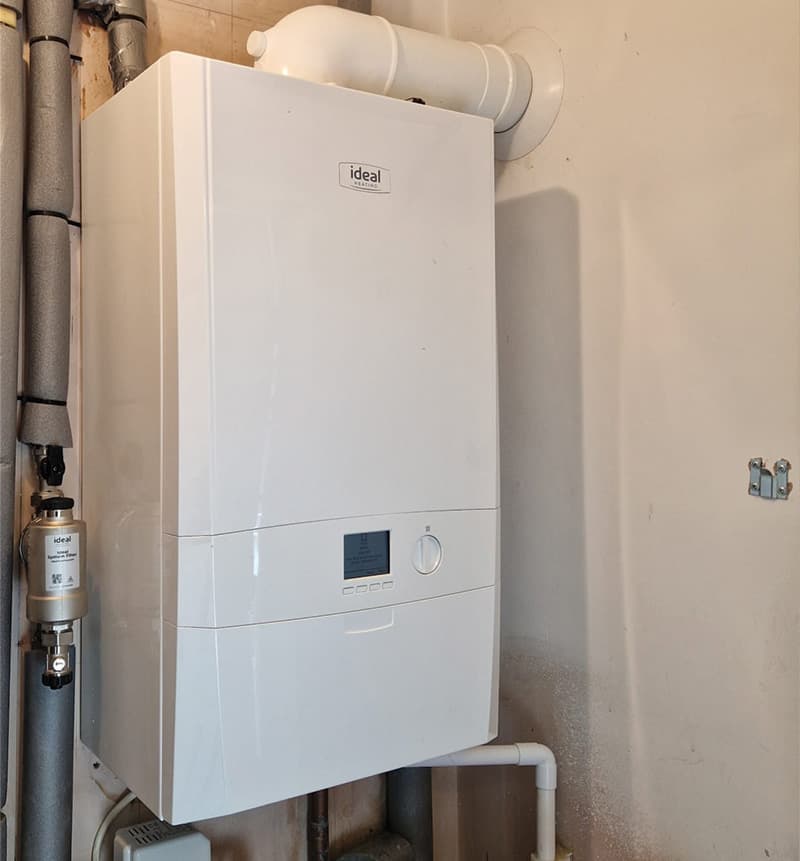
A careful reset may clear a temporary fault, but repeated lockouts need professional attention.
Blog
How to reset a boiler safely (when it’s OK to try)
MBW Plumbing & Heating

A boiler reset can sometimes clear a temporary issue, such as a power interruption or minor control glitch. However, pressing the button repeatedly can mask a developing fault, delay essential repairs or leave an unsafe appliance running. Use this safety-first guide to decide when a reset is reasonable and when to stop immediately.
Stop and call a Gas Safe engineer first
Do not attempt to reset the boiler if you can smell gas, see soot around the appliance or notice scorching, staining or unusual discolouration. Turn off the appliance if it is safe to do so, avoid naked flames and electrical switches, open doors and windows, and contact the National Gas Emergency Service on 0800 111 999 from outside the property.
Leave the property and seek urgent help if anyone has possible carbon monoxide symptoms, including headache, dizziness, nausea, breathlessness, unusual tiredness or confusion. Repeated lockouts and fault codes linked to ignition or flame failure also need a qualified engineer, particularly if the problem returns after one reset.
A smell of gas or signs of soot, scorching or staining
Possible carbon monoxide exposure or a carbon monoxide alarm sounding
Repeated lockouts, repeated flame failure or ignition-related error codes
Water leaking from the boiler, damaged wiring or unusual loud noises
Do not remove the boiler case or try to repair internal components. Gas appliances should only be opened, tested or repaired by a Gas Safe registered engineer.
What a boiler reset actually does
Resetting clears the boiler’s safety lockout and asks its control system to try the ignition or heating sequence again. It does not repair a failed sensor, blocked flue, faulty pump, low-water problem or gas supply issue. A reset may restore heating after a brief power cut, but it should not be treated as a general solution.
On many combi boilers, the reset control is a dedicated button marked “reset”, a flame symbol or a circular arrow on the front panel. Some models use a selector dial that needs holding in the reset position for a few seconds, while others provide a reset option through the digital display. System boilers commonly use similar controls on the boiler itself, although the hot water cylinder and programmer may have separate settings.
Always follow the instructions for your exact make and model. Never press controls behind a sealed cover, bypass a safety device or keep restarting the appliance when the fault returns.
Checks to make before one reset
If there are no warning signs and the boiler has stopped after a power cut or brief interruption, carry out a few basic checks first. These checks can help distinguish a simple control issue from a fault that needs attention.
Check that the boiler has power and that its display or indicator lights are working. Confirm that the electrical isolator and household fuse or consumer unit have not tripped.
Check the thermostat and programmer. Make sure the heating is set to come on, the temperature is high enough to create a demand and the controls have not been switched to holiday or summer mode.
Look at the pressure gauge or display. Many sealed systems should read around 1 to 1.5 bar when cold, or within the green section shown by the manufacturer. A very low or rapidly falling pressure needs investigation.
From ground level, inspect the external condensate pipe for an obvious blockage or ice. If frozen, thaw it gently with warm, not boiling, water and follow the manufacturer’s guidance. Do not dismantle the pipe.
Only after these checks, and only if there are no safety concerns, try one reset according to the manufacturer’s instructions.
How many resets are reasonable?
As a general guide, one reset after a power cut or isolated temporary interruption is reasonable. If the boiler locks out again, shows the same fault code or fails to restart, stop resetting it and arrange a repair visit. Repeated attempts can hide the pattern an engineer needs to diagnose and may place additional strain on components.
Some manufacturers specify a maximum reset period or number of attempts, so check the user manual rather than guessing. If the pressure is outside the recommended range, the condensate pipe remains blocked or the boiler makes unusual sounds, leave it switched off and seek professional advice.
Record details for the engineer
Useful information can make a boiler repair visit more efficient. Before switching anything off, if it is safe, take a clear photo of the display and note the details shown below.
The boiler make and model
The exact fault code or warning symbol
When the problem occurs, such as during heating or hot water demand
The pressure reading and whether it changes over time
You can also compare the message with our boiler fault code guide, but online information should not replace an inspection where a fault repeats or involves ignition, flame, gas or carbon monoxide concerns.
Get help with a recurring boiler fault
A reset is useful only when it clears a one-off interruption and the boiler then operates normally. If your boiler repeatedly locks out, loses pressure, displays an ignition-related code or you are unsure about any check, arrange a professional boiler repair rather than continuing to restart it.
For advice or to book a repair visit, contact MBW Plumbing & Heating on 07712508313. A qualified engineer can identify the underlying problem and advise whether a repair or wider heating service is needed. You can also explore our boiler repair services for further support.
Other Articles