Use clear warning signs and professional checks to decide whether a boiler repair is sensible or replacement is the safer long-term choice.
Blog
Should You Repair or Replace Your Boiler? A Simple Guide
MBW Plumbing & Heating
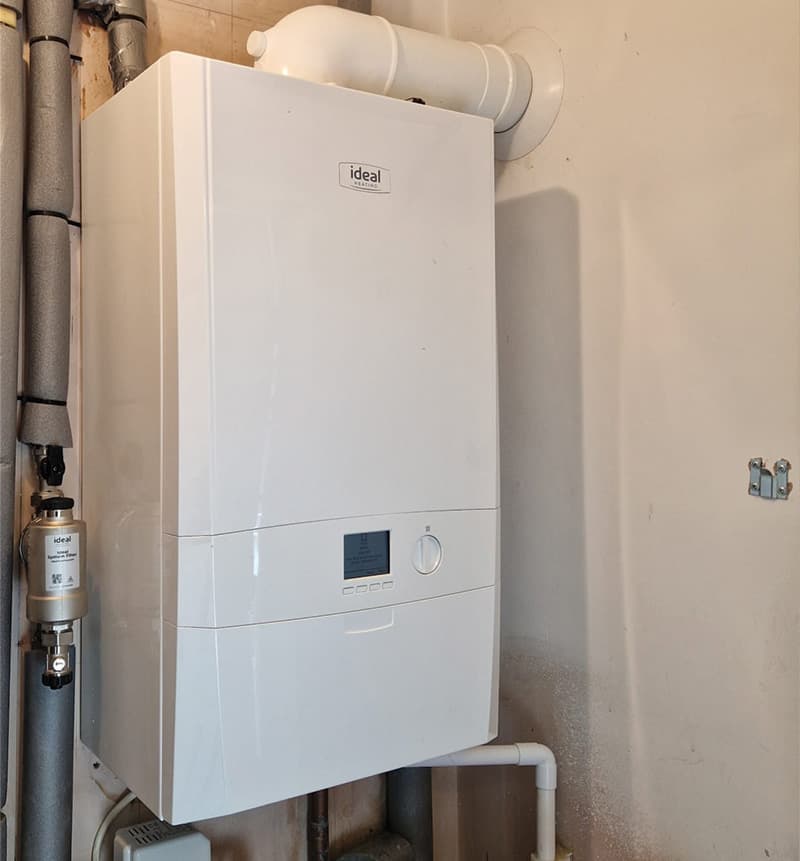
Deciding when to replace a boiler can feel difficult, particularly when a repair appears to offer a quick solution. The right choice depends on more than the age of the appliance: reliability, safety, available parts, heating performance and the condition of the wider system all need to be considered.
Signs that replacement may be the better option
A single fault does not automatically mean your boiler has reached the end of its useful service. However, a pattern of problems can indicate that continuing to repair the appliance is becoming less dependable, especially if several components are starting to wear at the same time.
Replacement deserves serious consideration when you notice any of the following:
Frequent breakdowns or repeated visits for different faults
Recurring fault codes after a repair has been completed
Unreliable hot water or heating, including regular loss of temperature
Parts that are difficult or no longer possible to source
Visible corrosion, water leaks or damage around the boiler
Energy bills that keep rising even though you use your heating the same way
New banging, whistling or rumbling noises from the boiler
Persistent cold spots, slow warm-up times or rooms that never reach a comfortable temperature can also point to an appliance or system that is no longer meeting your needs. A newer installation may offer more consistent comfort, but the underlying cause should be identified before making a decision.
Rising energy bills
A boiler slowly loses efficiency as its parts wear and limescale or sludge builds up inside. Since 2005, new gas boilers fitted in England have had to be condensing boilers, which recover heat from the exhaust gases that older models send straight out of the flue. A modern condensing boiler typically turns around 90% or more of its fuel into heat, while many older non-condensing boilers manage well below that.
If your bills keep climbing while you use your heating the same way, an ageing boiler may be part of the reason. A boiler service will show whether it is burning fuel as it should, which helps you decide whether it is worth keeping.
New noises or leaks
Banging, whistling or a rumbling sound like a kettle coming to the boil (often called kettling) usually means limescale or sludge is restricting the flow of water through the heat exchanger, the part of the boiler that passes heat from the burner into your heating water. Some causes can be fixed, for example by cleaning the system, but noises that keep coming back on an older boiler are often a sign it is wearing out. Our guide to a boiler making a banging noise explains what the different sounds can mean.
Water leaking from the boiler always needs looking at promptly. Even a small leak can get worse quickly and damage the boiler's electrics and the area around it. If water is dripping near the boiler's controls or wiring, switch the boiler off and call a heating engineer rather than trying to fix it yourself.
When a targeted boiler repair may restore reliability
Some boilers continue to work well after a properly diagnosed repair or thorough service. A competent heating engineer should avoid replacing parts based only on a fault code and instead investigate what caused the issue, whether the repair is proportionate and whether other safety or performance concerns are present.
During diagnosis, the engineer may assess combustion performance, safety devices, pressure stability and the condition of the flue. They may also inspect system cleanliness, circulation, controls and signs of sludge or debris that could be contributing to repeated faults. This broader check can reveal whether a targeted repair is likely to provide dependable service or simply delay a more suitable replacement. Our boiler service checklist explains the checks an engineer carries out.
Ask the engineer to explain the fault in plain language and clarify what has been tested. If the boiler is safe, parts are available and the rest of the system is in reasonable condition, repair may be a sensible route. If several issues are linked to age or deterioration, replacement is more likely to provide lasting reassurance.
A useful rule of thumb is to compare costs. If a single repair, or the repairs you have paid for over the past year, comes close to half the price of a new boiler, replacement usually makes better sense over the long term. Ask for the repair price and a rough replacement price so you can weigh them up side by side.
Boiler age, usage and maintenance
Many domestic boilers provide useful service for around 10 to 15 years, although this is only a general guide rather than a fixed lifespan. Some well-maintained appliances remain reliable for longer, while heavily used boilers, poorly balanced systems or units exposed to hard operating conditions may require attention sooner.
Usage makes a difference because a boiler serving several bathrooms and a large household may operate more frequently than one in a smaller home. Regular servicing, correct pressure, clean system water and prompt attention to small faults can support reliability, but maintenance cannot prevent every age-related failure.
Consider the boiler's history as a whole. An older appliance that has been dependable and passes safety checks may not need immediate replacement, while a younger boiler with repeated breakdowns, obsolete parts or serious corrosion may justify a replacement conversation.
Prepare before requesting an installation quote
Good information helps an installer recommend the right type and output of boiler rather than simply replacing the existing unit with a similar model. Before arranging a quotation, note the size and layout of your property, the number of bathrooms and how many people regularly use hot water.
It is also useful to record your current boiler type, such as combi, system or regular boiler, and consider where the flue runs. The installer may need to assess access, flue termination, condensate drainage, cylinder or tank arrangements and suitable locations for the replacement appliance. Think about your preferred heating controls too, including smart controls, timers and separate zone control.
Questions to ask your boiler installer
A professional quotation should cover more than the boiler model and installation date. Ask questions that help you understand the proposed system, the safety checks and the support available after commissioning.
Are you currently registered with Gas Safe for gas work, or appropriately qualified for oil heating?
What boiler type and output do you recommend, and what information supports that choice?
What warranty applies to the appliance and installation, and who handles future claims?
Will you provide commissioning paperwork, including the relevant safety and installation records?
Will the flue, controls, condensate route and existing heating system be checked before work begins?
For gas appliances, always verify the engineer's Gas Safe registration and relevant qualifications. For an oil boiler, choose a suitably qualified oil heating professional and ask for clear documentation covering commissioning and servicing requirements.
Choose the next step with confidence
A careful repair assessment can show whether your existing boiler can be made safe and reliable, while an installation consultation can help you plan a better replacement when faults are recurring or parts are becoming unavailable. Avoid making the decision based on age alone, and make sure safety and long-term performance remain central.
MBW Plumbing & Heating can help you assess your options. Get in touch to book a repair assessment or request a boiler installation consultation, and explore the gas boiler installation and oil boiler installation services to find the right route for your home.
Not sure whether to repair or replace?
Tell us what your boiler is doing and we’ll take a look. We’ll explain the fault in plain words and tell you honestly whether a repair makes sense or it’s time to plan a replacement. We work on both gas and oil boilers.
Other Articles


